Forex trading in Germany is a thriving activity, thanks to the country’s robust financial regulations and well-established economy. Germany’s traders enjoy a high level of protection, transparency, and market access. Whether you’re a beginner or a professional, selecting the right forex broker is essential to ensuring a secure, transparent, and successful trading experience.
Importance of Regulation
Regulatory compliance is the cornerstone of a trustworthy forex broker. In Germany, brokers are regulated by the Federal Financial Supervisory Authority (BaFin), which ensures that brokers adhere to stringent standards, safeguarding your trading activities and minimizing the risk of fraud. International regulations, such as those from the Financial Conduct Authority (FCA) in the UK or the Australian Securities & Investments Commission (ASIC), also offer additional layers of protection for German traders trading with international brokers.
Key Considerations for Choosing a Forex Broker
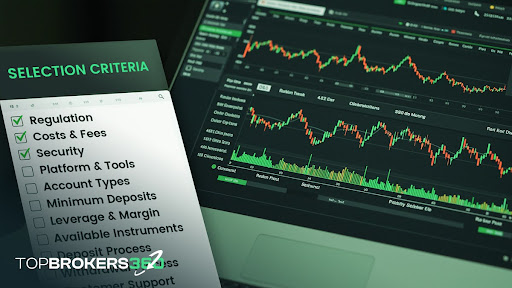
When selecting a forex broker, consider the following essential factors:
Regulatory Compliance:
Importance: Regulatory compliance ensures transparency and security in trading activities.
How to Check: Verify if the broker is listed on BaFin’s official website or check for other international regulatory bodies such as the Financial Conduct Authority (FCA) in the UK or the Australian Securities & Investments Commission (ASIC).
Availability of Trading Platforms and Tools:
Importance: The trading platform is your gateway to the markets. Look for brokers offering reliable, accessible platforms with a variety of trading tools and instruments.
Features to Consider: Ensure the platform supports your trading strategy, whether it’s manual trading, automated trading (EA), or social trading.
Spreads, Commissions, and Fees:
Importance: The cost of trading can significantly impact your profitability. Compare pricing structures among brokers to find the most competitive spreads and fees.
How to Compare: Check the broker’s website for detailed information on spreads and fees. Consider both major and minor currency pairs, as well as other trading instruments like commodities or indices.
Reviews and Reputation:
Importance: A broker’s reputation can indicate the quality of service and reliability. Research the broker’s reputation by reading reviews from other traders and evaluating their market presence.
Where to Find Reviews: Websites like Trustpilot, Forex Peace Army, and Reddit forums are excellent sources for unbiased reviews.
Customer Support:
Importance: Good customer support is crucial for resolving issues quickly and efficiently. Look for brokers offering multilingual support, available through various channels such as phone, email, and live chat.
Features to Consider: Check if the broker provides educational resources, webinars, and market analysis to enhance your trading skills.
Leverage and Margin Requirements:
Importance: Leverage allows you to trade larger positions with less capital, but it also increases risk. Ensure the broker offers leverage options that align with your risk tolerance and trading strategy.
How to Choose: Consider your experience level and risk management strategy when selecting leverage options.
Deposit and Withdrawal Options:
Importance: Convenient and secure deposit and withdrawal methods are essential. Look for brokers offering a variety of payment options, such as credit cards, bank transfers, and e-wallets.
Features to Consider: Check for any fees associated with deposits or withdrawals and ensure that the process is straightforward.
Best Forex Brokers in Germany
Here are some of the best forex brokers in Germany, selected based on the above criteria:
1. Pepperstone
Regulation: ASIC, BaFin, CMA, CySEC, DFSA, FCA, and SCB.
Platforms: MT4, MT5, cTrader, TradingView, and Pepperstone's proprietary platform.
Features: Excellent ECN execution, competitive spreads, and a wide range of trading tools. Offers a variety of account types to suit different traders.
Pros and Cons
Pros:
Great for both beginners and professionals, offers a variety of platforms and tools.
Excellent customer support and educational resources.
Features: Ideal for beginners and seasoned traders, offering competitive spreads and educational resources. Provides a user-friendly interface and excellent customer support.
Pros and Cons
Pros:
User-friendly interface, excellent customer support, and comprehensive educational materials.
Cons:
Limited advanced trading tools compared to some competitors.
Features: Offers commission-free trading, broad asset selection including cryptocurrencies and options. Known for its user-friendly platform and competitive spreads.
Pros and Cons
Pros:
Easy-to-use platform, competitive spreads, and a wide range of trading instruments.
Cons:
No support for automated trading, limited customization options.
Features: Ideal for leveraged trading and spread betting, offers a wide range of assets. Known for its robust regulatory compliance and excellent customer service.
Pros and Cons
Pros:
Highly regulated, excellent customer service, and a wide range of trading instruments.
Cons:
Higher minimum deposit compared to some competitors.
How to Choose the Best Forex Broker for Your Needs in Germany
Beginners:
Key Considerations: Look for brokers with user-friendly platforms and comprehensive educational resources. BDSwiss and AvaTrade are excellent choices for beginners due to their easy-to-use interfaces and extensive educational materials.
Features to Focus On: Ensure the broker offers a demo account to practice trading without risking real money. Also, consider brokers with low minimum deposit requirements to start trading with minimal capital.
Professional Traders:
Key Considerations: Opt for brokers offering competitive spreads and advanced trading tools. Pepperstone and Tickmill are popular among professionals due to their tight spreads and support for automated trading strategies.
Features to Focus On: Look for brokers with robust ECN/STP execution models and support for multiple trading platforms like MT4 and MT5.
Regulation:
Importance: Ensure the broker is regulated by reputable authorities like BaFin. Regulation ensures that your funds are secure and that the broker operates transparently.
How to Verify: Check the broker’s website for regulatory information or verify directly with the regulatory body’s official website.
Trading Platforms:
Importance: Choose brokers offering platforms that align with your trading style. For automated trading, MT4 is a popular choice. For simplicity and ease of use, proprietary platforms like those offered by Plus500 can be ideal.
Features to Consider: Ensure the platform supports your preferred trading strategies, whether it’s manual trading, automated trading, or social trading.
Fees and Spreads:
Importance: Compare fees among brokers to find the most competitive options. Consider both the spreads on major currency pairs and any additional fees for deposits, withdrawals, or inactivity.
How to Compare: Check the broker’s website for detailed information on spreads and fees. Consider using comparison tools or forums to evaluate multiple brokers at once.
Additional Tips for Successful Forex Trading in Germany
Stay Informed: Keep up with market news and analysis to make informed trading decisions.
Use Risk Management Tools: Always use stop-loss orders and position sizing to manage risk.
Practice with a Demo Account: Before trading with real money, practice with a demo account to refine your strategy.
Continuously Educate Yourself: Take advantage of educational resources provided by brokers or online courses to improve your trading skills.
Conclusion
Selecting the right forex broker in Germany requires careful evaluation of regulatory compliance, trading platforms, fees, and customer support. By choosing a reputable broker that aligns with your trading needs, you’ll ensure a smooth and successful forex trading experience. Whether you’re just starting or an experienced trader, the brokers listed in this article provide a strong foundation to help you succeed in the market.
Frequently Asked Questions
1. What is the most important factor when choosing a forex broker in Germany?
The most important factor is regulatory compliance. Ensure the broker is regulated by reputable authorities like BaFin to ensure security and transparency.
2. Which forex broker is best for beginners in Germany?
BDSwiss and AvaTrade are excellent choices for beginners due to their user-friendly platforms and comprehensive educational resources.
3. What are the best trading platforms for forex trading?
Popular platforms include MetaTrader 4 (MT4), MetaTrader 5 (MT5), and proprietary platforms like those offered by Plus500. The choice depends on your trading strategy and preference.
4. How do I compare spreads and fees among brokers?
Check the broker’s website for detailed information on spreads and fees. Consider using comparison tools or forums to evaluate multiple brokers at once.
5. What leverage options are available for forex trading in Germany?
Leverage options vary among brokers, but typically range from 1:30 to 1:500 for non-EU regulated accounts. EU-regulated accounts are capped at 1:30 due to regulatory restrictions.