TopBrokers360

What Is an Institutional Trading Platform?

Introduction

Institutional trading platforms are specialized systems designed to facilitate the buying and selling of assets by large entities such as banks, hedge funds, pension funds, and other financial institutions. These platforms are tailored to meet the complex needs of institutional investors, offering advanced features, enhanced security, and access to a wide range of financial instruments.

What is an institutional trading platform?

An institutional trading platform is a specialized electronic system designed to facilitate the buying and selling of financial instruments for large-scale investors such as banks, hedge funds, pension funds, and investment firms. These platforms are tailored to handle high-volume, low-latency trading requirements, offering advanced features and functionalities that are often beyond the reach of retail investors.

Understanding Institutional Trading

Institutional trading refers to the buying and selling of large quantities of financial assets by organizations rather than individual investors. These entities often manage substantial portfolios and require trading solutions that can handle high volumes, provide real-time data, and ensure compliance with regulatory standards. The scale and complexity of institutional trading necessitate platforms that offer:

  • High Liquidity: The ability to execute large trades without significantly impacting market prices.
  • Advanced Analytics: Tools for in-depth market analysis and decision-making.
  • Robust Security: Measures to protect sensitive financial data and transactions.
  • Regulatory Compliance: Features that ensure adherence to financial regulations and standards.
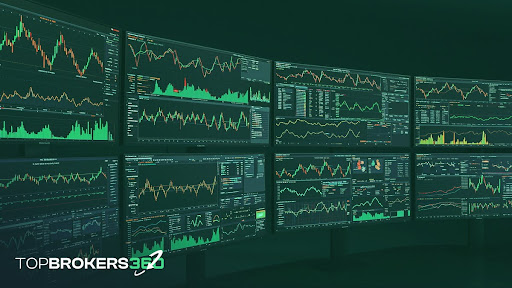
Key Features of Institutional Trading Platforms

  • High-Speed Execution: Institutional trading platforms are engineered for rapid order execution, minimizing latency to ensure that trades are completed at the desired prices.

  • Advanced Order Types: These platforms support a variety of order types, including limit orders, stop-loss orders, and algorithmic trading strategies, allowing institutions to implement complex trading strategies.

  • Comprehensive Market Access: Users gain access to multiple asset classes, including equities, fixed income, commodities, and foreign exchange, enabling diversified investment strategies.

  • Risk Management Tools: Integrated risk management features help institutions monitor and control exposure, ensuring that trading activities align with their risk tolerance levels.

  • Regulatory Reporting: Built-in compliance tools assist in generating reports required by regulatory bodies, streamlining the reporting process and ensuring adherence to legal standards.

  • Customizable Interfaces: The platforms offer customizable dashboards and reporting tools, allowing institutions to tailor the system to their specific operational needs.

Benefits of Using Institutional Trading Platforms

  • Efficiency: Streamlined trading processes reduce manual intervention, leading to faster and more accurate trade execution.


  • Cost-Effectiveness: By consolidating trading activities on a single platform, institutions can reduce operational costs and improve profitability.


  • Transparency: Real-time data and reporting features provide clear insights into trading activities, enhancing transparency for stakeholders.


  • Scalability: These platforms are designed to handle large volumes of trades, accommodating the growth of institutional trading operations.

Leading Institutional Trading Platforms

Several platforms are widely used in the institutional trading space, each offering unique features tailored to different trading needs. Here are some notable examples:

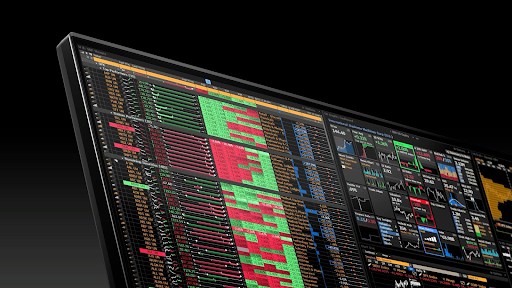
Bloomberg Terminal

A comprehensive platform offering real-time data, analytics, and trading solutions across various asset classes, widely used by financial professionals.

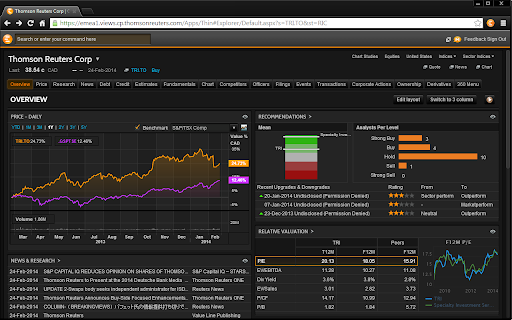
Thomson Reuters Eikon

Provides access to a vast array of financial information, news, and analytics, facilitating informed trading decisions.

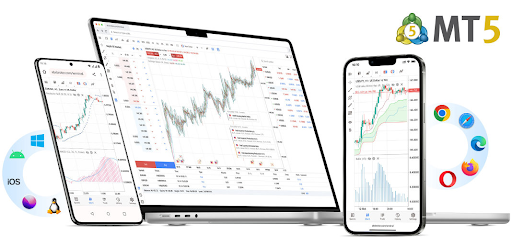
MetaTrader 5 (MT5) Institutional Version

An advanced trading platform offering multi-asset trading capabilities, algorithmic trading, and comprehensive charting tools.

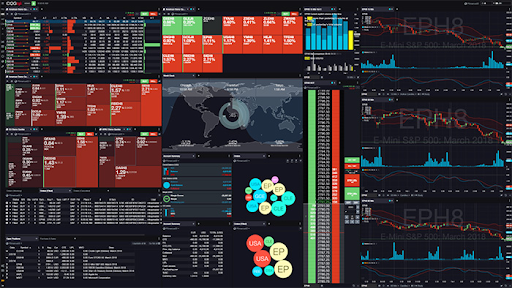
CQG

Known for its high-performance trading solutions, CQG offers advanced charting, analytics, and order routing services.

EBS Market

Specializes in foreign exchange trading, providing deep liquidity and advanced trading tools for institutional investors.

Conclusion

Institutional trading platforms are not just essential; they are foundational to the success of large financial entities, offering the critical infrastructure required to execute complex and high-volume trading strategies with precision and security. These platforms, with their advanced features, unparalleled market access, and sophisticated risk management capabilities, empower institutions to not only navigate but thrive in the intricate and fast-paced global financial markets. Without them, managing the growing complexity of modern financial environments would be virtually impossible.

Author

Reach the new peaks of trading with FXNovus

Online broker of a new generation. Creating a new trading reality

Scroll to Top